
Skip to content
HomeExpeditionsCarstensz Pyramid by Helicopter

Carstensz Pyramid by Helicopter

Nemangkawi Peak

Carstensz Planning Desk

Get practical guidance on readiness, helicopter access, equipment, and expedition timing.

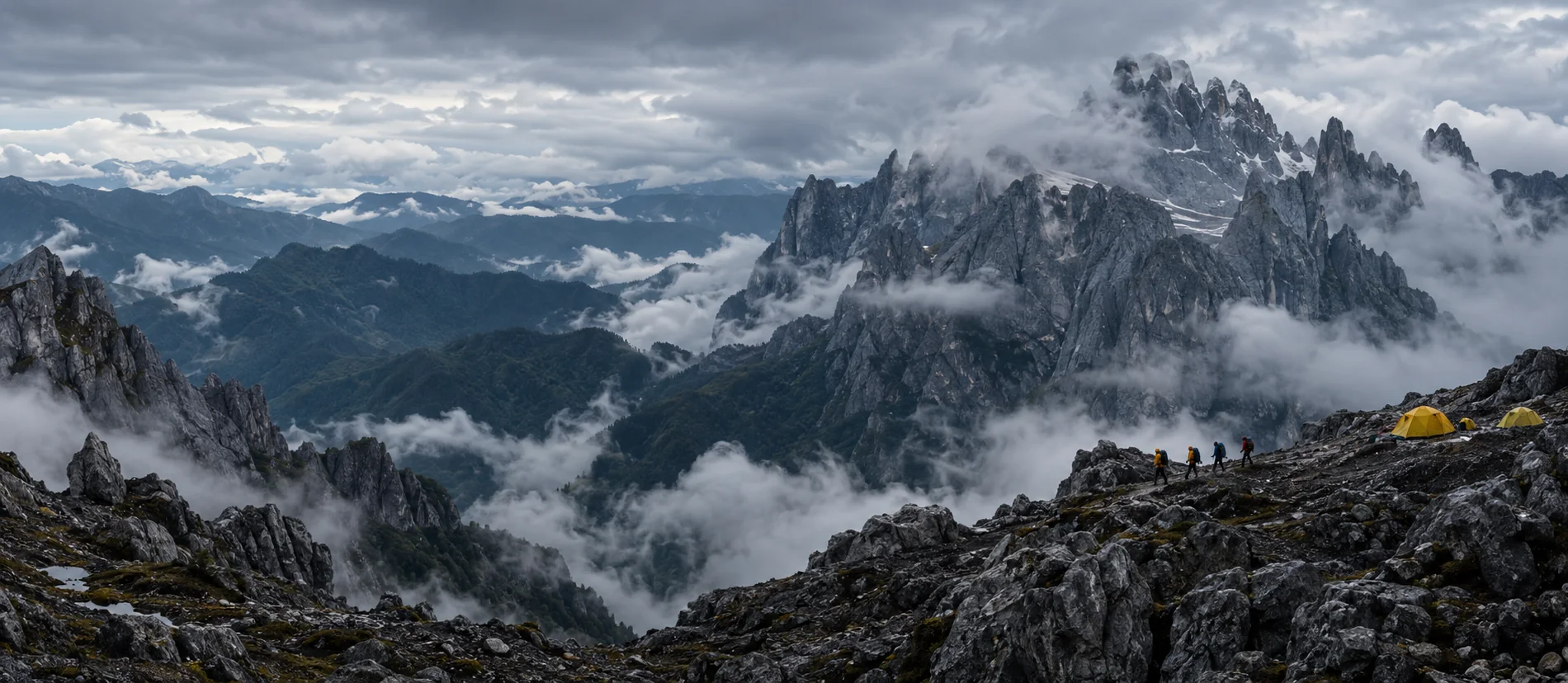
Climbing team on the summit of Carstensz Pyramid

Carstensz Pyramid is regarded as one of the most technically difficult of the Seven Summits. That said, the climbing itself is very straightforward: the reputation comes from real scrambling and climbing movements, basic knots and rappelling.

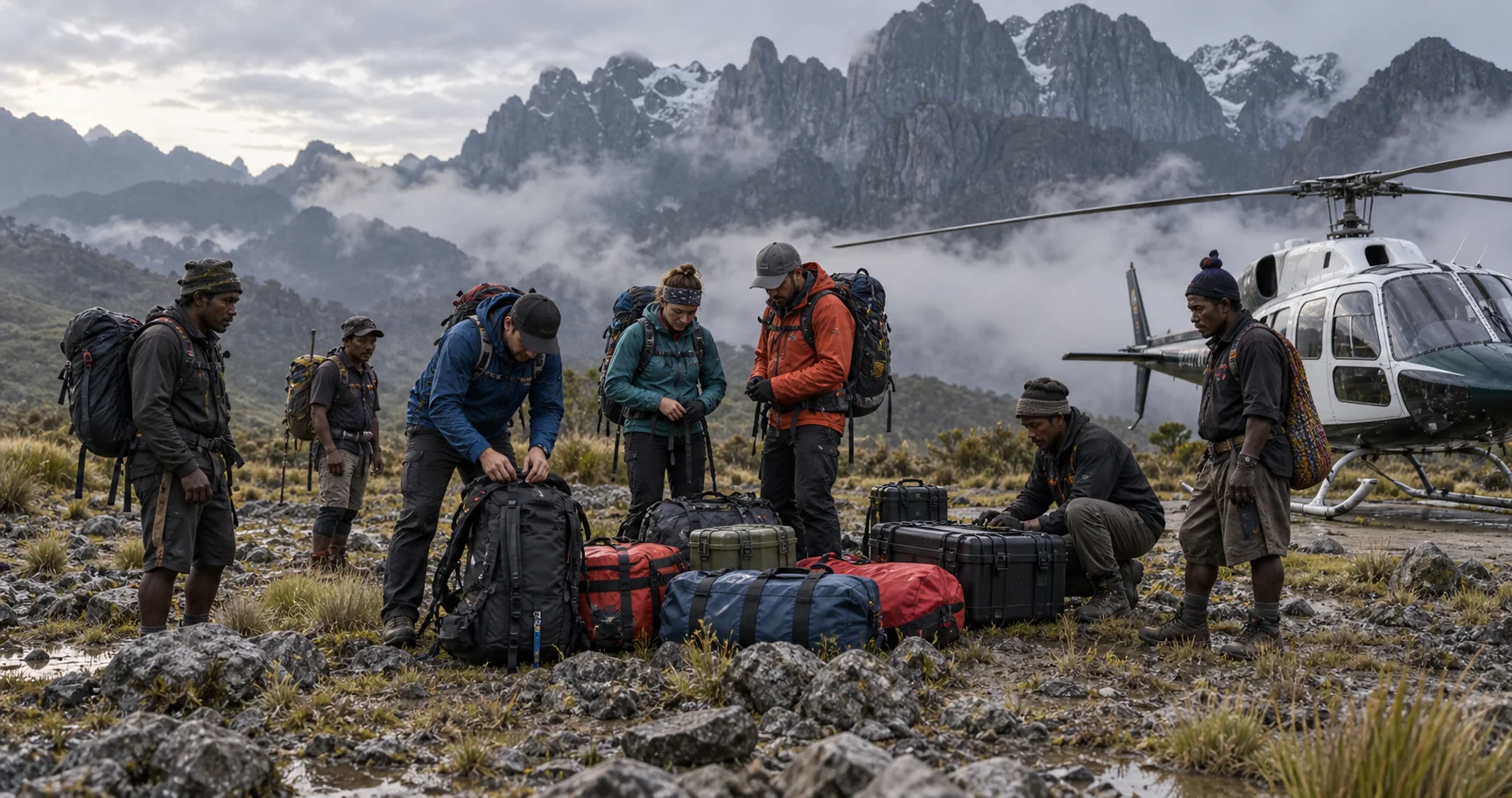
Our 9-day program flies you by helicopter from Timika to Yellow Valley Base Camp, gives you a full day to acclimatize and review skills, and keeps three contingency days for weather and helicopter operations.

Trip Facts

CountryIndonesia (Central Papua)
Duration9 days
DifficultyTechnical
ActivityRock climbing on fixed ropes
Max. altitude4,884 m / 16,024 ft
Best seasonFeb–Apr, Sep–Nov
AccessHelicopter
AccommodationHotel & tents
MealsIncluded at base camp
Start / finishTimika Airport
PriceOn request

Expedition Highlights

Helicopter access to Yellow Valley Base Camp

A full acclimatization and training day

Fixed-rope systems on steep limestone

The Tyrolean traverse on the summit ridge

Three contingency days for weather

Amungme-owned, local guide team

Day-by-Day Itinerary

Transfer to the hotel. Afternoon briefing and gear check with the team.

Helicopter flight to Yellow Valley Base Camp at about 4,200–4,300 m. Settle into camp.

A full day at base camp to acclimatize and review the base-level skills: ascending, rappelling and moving on fixed lines.

Alpine start at around 3 a.m. We aim to summit in the early morning light and return to base camp before the afternoon weather.

Helicopter flight back to Timika. Hotel in Timika.

Departure to your next destination.

Extra days kept for weather, helicopter operations, climbing conditions or logistics.

Included

Food during the expedition at base camp

Hotel in Timika, 2 nights, twin share, breakfast included

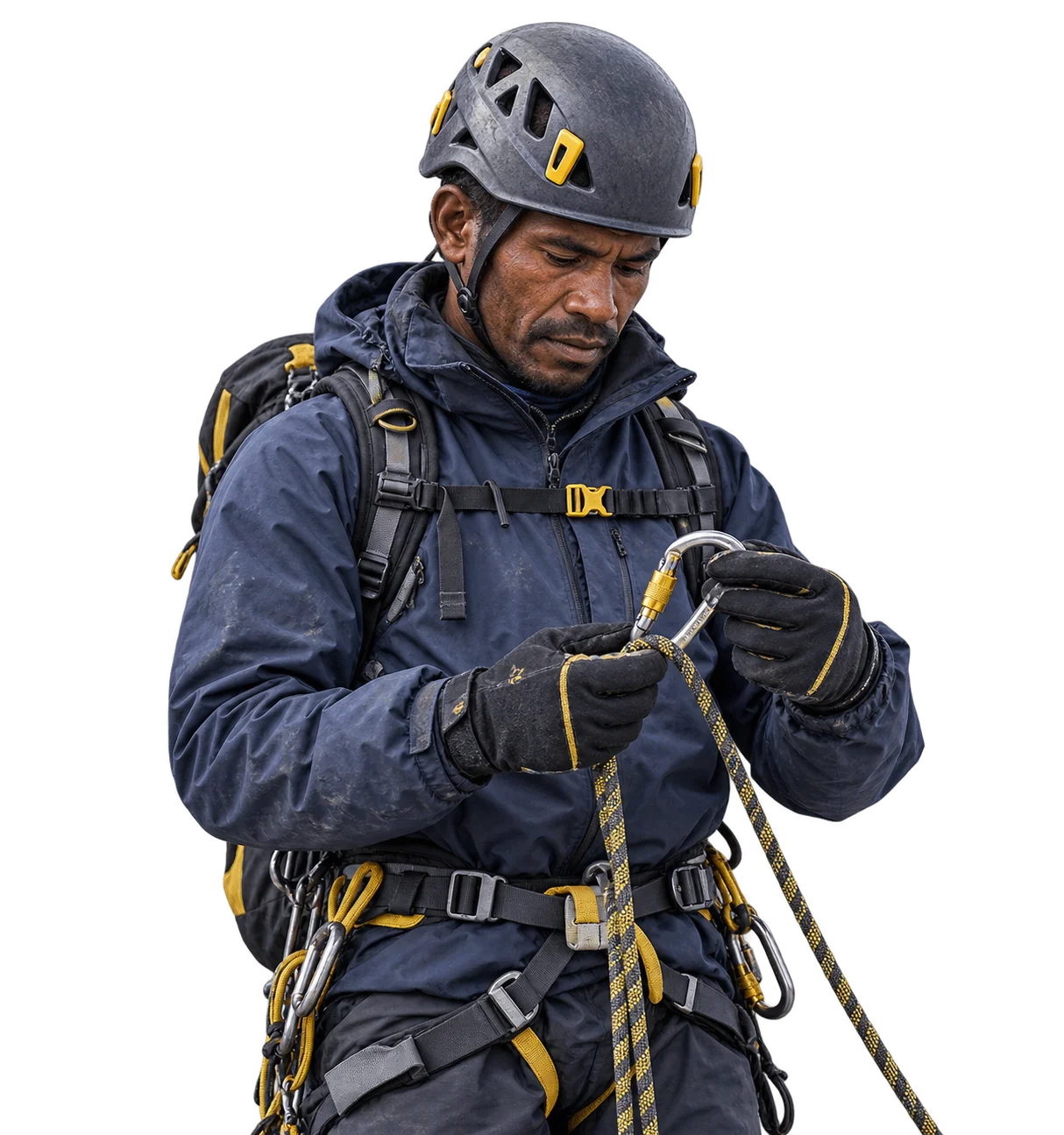
Mountain guide

Sleeping tents and dining tents

Helicopter flight Timika – base camp – Timika

Equipment on the helicopter up to 20 kg per person

Not Included

Trip cancellation insurance (strongly recommended)

Medical, evacuation and travel insurance

Personal climbing gear

Personal rock-climbing and camping equipment

Evacuation or rescue

Costs due to flight delays, cancellations or helicopters returning to base (RTB)

Contingency Days

The expedition normally includes three contingency days to accommodate delays caused by adverse weather, helicopter operations, climbing conditions, or unforeseen logistical circumstances. Additional days may be required if conditions prevent the expedition from proceeding safely, and may result in additional cost.

We travel in remote locations and delays are possible, if not normal. Flights to or from base camp can be delayed beyond the contingency days, so be ready to adjust your return schedule. In-country travel can also mean extra time in airports. Patience and flexibility are part of the expedition.

The Climb

The route is a wonderful alpine rock climb: mostly 4th-class scrambling, with short sections of moderate rock climbed with the direct aid of fixed ropes, an ascender and rappelling skills. All steep sections are protected by fixed lines, so the rock-climbing skills needed are minimal.

We climb at high altitude, and it is common to see all four seasons in one day: rain, snow, sleet and sun. We take at least one full day (two nights) at base camp to acclimatize, then make an alpine start at around 3 a.m. to summit in the early morning and return before the afternoon weather.

If you are comfortable with these, you will have no problem:

4th-class rock scrambling

Climbing short sections of 50–90° rock with an ascender on the line as a self-belay

Basic knot skills

Rappelling (abseiling)

Crossing the Tyrolean traverse, walking on a line with hand lines on both sides (we discuss it in our pre-climb meetings)

Equipment List

Personal climbing gear and camping equipment are not included in the program. Bring the items below; your guide checks everything at the gear check on Day 1.

Technical Climbing Gear

  • Harness
  • Figure eight
  • Ascender
  • Cowstail / lanyard
  • Climbing helmet

General

  • Four-season (zero degree) sleeping bag
  • Sleeping bag liner
  • Puffy down jacket
  • Daypack (35–45 liters recommended) with rain cover

Upper Body

  • Sun hat or cap
  • Knitted hat / beanie
  • Scarf, neck gaiter or buff (highly recommended)
  • Headlamp
  • Sunglasses

Torso

  • Technical fabric base layer (light for warmer months, heavy for colder months)
  • Technical fabric short-sleeve (2) and long-sleeve (2) shirts
  • Waterproof, windproof shell
  • Fleece jacket or pullover

Lower Body

  • Technical fabric base layer (light for warmer months, heavy for colder months)
  • Hiking pants (2)
  • Comfortable pants for inside the tent
  • Waterproof, windproof shell
  • Hiking shorts

Hands

  • Wool or technical fabric liner gloves
  • Hard-shell outer gloves (insulated for colder months)

Feet

  • Wool or technical fabric warm socks
  • Hiking socks
  • Liner socks (optional, such as silk)
  • Mountain boots (waterproof recommended)
  • Casual shoes
  • Gaiters

Undergarments

The quantity of each article of clothing can be adjusted to suit each participant.

  • Technical fabric / quick-drying underwear
  • Sports bras (women)
  • Pajamas or sleeping clothes

First Aid Kits and Medications

Our guides carry a complete first aid kit, including drugs to help counteract the effects of high altitude. A small personal kit is still highly recommended.

  • Personal prescription medications (in their original containers)
  • Headache tablets, such as ibuprofen or aspirin
  • Stomach medication
  • An epinephrine auto-injector if you have a history of severe allergic reactions (see your doctor)
  • Sunscreen
  • Lip balm
  • Ointment
  • Mosquito repellent cream

Other Essentials

  • Passport (valid for at least 6 more months)
  • Extra passport-sized photos
  • Reusable water bottle
  • Toiletry kit
  • Water purification tablets or UV water purifier (if you plan to treat water)
  • Hydration bladder
  • Towel
  • Pillowcase
  • High-protein snacks (such as protein bars or nuts)
  • Waterproof / dry bags for important documents and money

Optional

  • Power bank or extra batteries
  • Camera and mobile phone
  • Cards or a book
  • Pee bottle / pee funnel for women
  • Whistle
  • Thermos for hot water
  • Comb

Visa, Insurance & First Aid

A 30-day single-entry visa on arrival (VOA) is available to more than 60 nationalities. Your passport must be valid for at least another 6 months. Have your return flight booking printed; it is rarely asked for, but it can be. Each climber is responsible for meeting all passport, visa, immigration and health requirements for their nationality before departure.

Our hotel in Timika is new and modern, with Wi-Fi, a bar and a buffet breakfast. Rooms are twin share; a single room is available for an additional charge.

Nothing is more important than our clients' health and safety. An illness or injury before or during the trip could require a medical evacuation or other unforeseen costs, so we strongly recommend trip insurance that covers cancellation due to personal injury, baggage and more. Options include Travel Guard, IHI Bupa or your own insurer.

Every expedition member must have rescue insurance. Our recommendation is Global Rescue, or your own insurer of choice. We ask for your policy number before the trip starts. A helicopter evacuation is expensive, and if you leave earlier than the team you are responsible for the costs.

Our guides carry a complete first aid kit. There are medical doctors in Bali and Timika, but otherwise we travel in mostly remote locations. Please carry a small personal kit (see the equipment list).

Expedition Map

Expedition FAQs

Carstensz Expedition Questions

Start with clear expectations. These answers cover readiness, access, weather, logistics, and the decisions that shape a responsible Carstensz expedition.

Carstensz Pyramid, Puncak Nemangkawi, stands at 4,884 m. It is the highest mountain in Indonesia and in Oceania, and one of the Seven Summits.

You should be comfortable with 4th-class rock scrambling, short steep sections on fixed ropes with an ascender, basic knots, rappelling and the Tyrolean traverse. We review the skills with you at base camp before the summit day.

Our helicopter program takes 9 days: arrival in Timika, a helicopter flight to base camp, an acclimatization and training day, the summit day, the flight back, a departure day and three contingency days for weather and helicopter operations.

Prices depend on group size and season, so we quote them in a written proposal. Request a proposal and we will reply personally.

Yes. Rescue insurance is required for every climber, and we strongly recommend travel insurance covering technical mountaineering, medical costs, emergency evacuation, cancellation and delays. We ask for your policy number before the trip.

A non-refundable deposit of USD 1,000 secures your place. The balance is paid one week before your team arrives in Timika. The full terms are on our Terms & Conditions page.

The program includes three contingency days for weather, helicopter operations and climbing conditions. If conditions require more days, additional costs may apply, so keep your return plans flexible.

Personal climbing gear (harness, figure eight, ascender, cowstail or lanyard and helmet) and personal camping equipment are not included. See the full equipment list on the expedition page.

No. Weather, health, access, route conditions and team safety determine every summit decision. The expedition leader may turn the team around at any point.

Journey to the Summit

From Timika to the Roof of Oceania

The 9-day helicopter program at a glance. Hover a point, or slide your finger along the line, to see the elevation and what happens that day.

Days 7–9 are contingency days for weather and helicopter operations. Elevations except the summit are approximate.

Upcoming Departures

Real Dates, Honest Availability

Helicopter departures in the best climbing windows: February to April and September to November. We only list dates our operations team has confirmed.

DepartureProgramDurationGroupStatusCTA
October 2026Carstensz by Helicopter9 daysSmall groupOn requestRequest proposal
2027 · February–AprilCarstensz by Helicopter9 daysFounding TeamRegister interestJoin the list
2027 · September–NovemberCarstensz by Helicopter9 daysSmall groupRegister interestJoin the list
Your datesPrivate ExpeditionFlexibleYour groupOn requestPlan a private trip

Status reflects confirmation by our operations team, not live booking data. Final dates and price are confirmed in your proposal.

Start Here

Ready to Discuss Your Carstensz Objective?

Tell us about your experience, timing and group. We will reply personally with honest advice and a proposal that fits.

+62 812 1979 0300 · +62 812 7016 0460 · info@nemangkawipeak.com

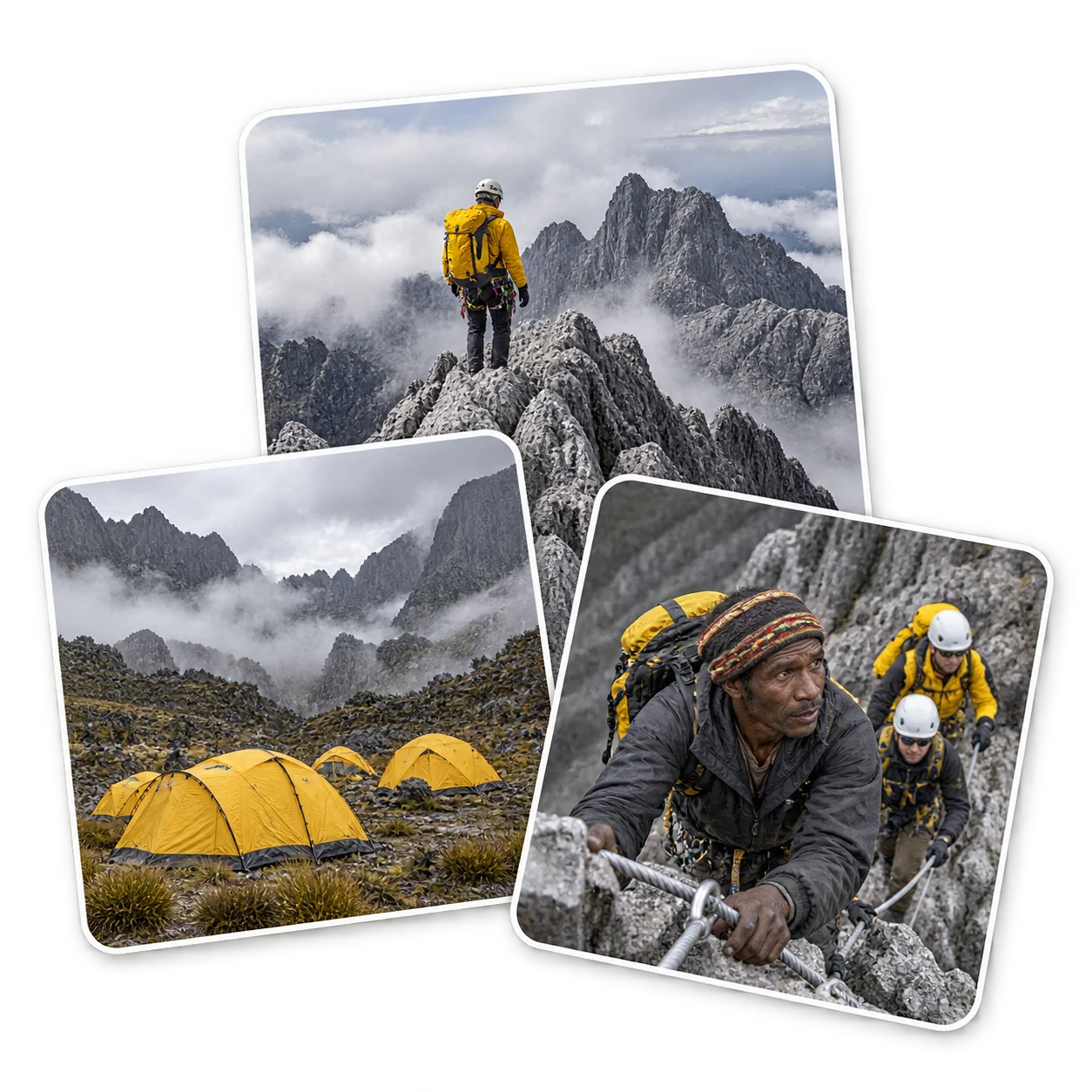
Carstensz summit, base camp, and guided climbing collage